
NEVER say this when creating safety
if you want to build a trust-filled and safe environment

Patrick Lencioni. Amy Edmondson. Brené Brown. Abraham Maslow. Carl Rogers.
Many of the leadership and psychology thought leaders agree that the foundation of a successful team or working relationship is trust. Psychological Safety.
Most leaders and coworkers would agree they want to build trust with clients, colleagues, and vendors. There is a temptation to say something to this effect, but saying a specific set of four words might actually be working against your efforts to create safety, despite what you intend when you speak.
Don’t say it…
I challenge you to NEVER say the following phrase:
“you can trust me.”
If you are having to say it, there is clearly a reason that they cannot. You are acknowledging the other person has some reason not to trust you. They might have history in other relationships that makes them naturally distrusting. There could be environmental factors in your workplace, system, or industry that make trust a rare and valuable commodity.
Simply saying something doesn’t make it true. If you wan’t people to trust you, you must behave in ways that prove that they can. You must practice transparency with them about expectations, challenges, consequences, and the things that you do not know. You must prove through behavior patterns that you are a safe person to come to with issues and victories. Your emotional responses and reactions in addition to your practical follow-up on issues all contribute to whether or not someone can trust you. Saying something alone doesn’t make it true.
The other cursed phrase
As a team leader, a teacher, a group facilitator there is a phrase that can be even worse for building trust:
“this is a safe space.”
This actually has (in the US at least) a cultural background that initiates eye-rolls from some people. You want to have a safe space? Create one. Get feedback from the team or people involved that helps them believe and agree that it is a safe space.
You can say “I want you to trust me” and “I want this to be a safe space” but the follow-up question to those statements remains:
what needs to be true for you to trust me?
what needs to be true for this to be a safe space?
When you know what it takes for someone to trust you, you can begin to practice those behaviors and the trust will flow. You also must remember each individual will have different boundaries for their trust, and you may become fully trusted in the work arena but they don’t trust you with their personal lives and that is okay. Build trust by respecting their boundaries.
Trust building starting place
The Wiley DiSC has a lot of helpful tools for building trust with the various working styles found in the world. If you get in the habit of emphasizing all of these elements in a team environment, trust is guaranteed to increase. You can:
Ensure standards are high and followed (CD style)
Maintain or empower attention to detail (C style)
Foster a warm and enthusiastic environment (IS style)
Demonstrate empathy and patience (S style)
Create consistency and stability where possible (CS style)
Generate optimism and positivity in the environment (I style)
Communicate confidence and inspire bold action (D style)
Encourage creativity and passion at work (ID style)
Don’t say you want to be trusted, DO things that make you worth trusting. Don’t say you want a safe space, BUILD a space that’s worth feeling safe within.
If you want to learn how to build better trust with those around you…
if you want to build a team that trusts each other…
I can help.
Individual and group coaching with or without the DiSC assessment can change the way you interact with everyone in your life.
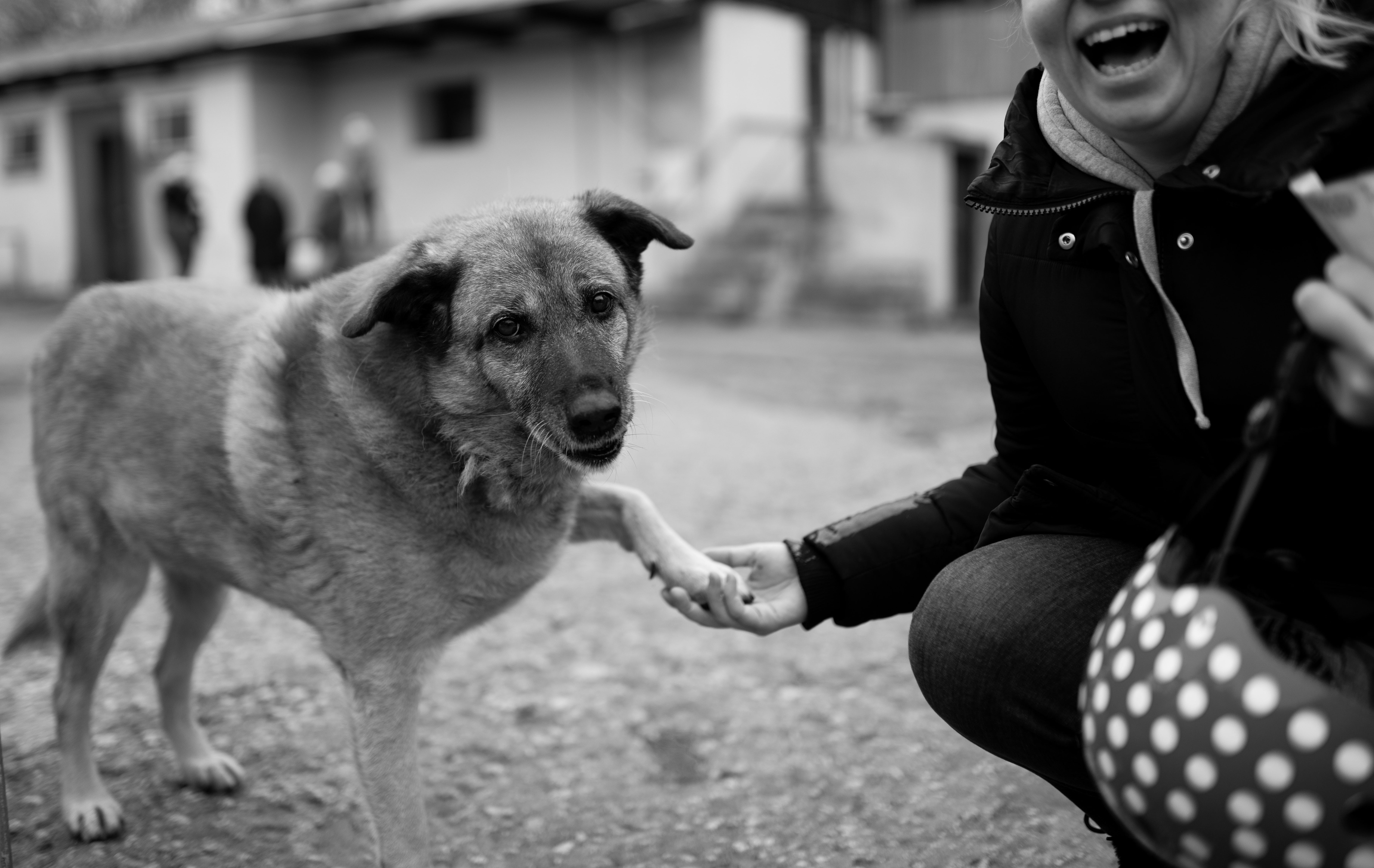
Yes, whenever “this is a safe space” is said, I armor-up.